
Anise Hyssop
📚 Agastache foeniculum
Family: Lamiaceae
🍽 Edible 💊 Medicinal 🐝 Pollinator 🦌 Deer Resistant
Full sun
Sunlight
Low
Water Needs
Moderate
Growth Rate
3.00'
Height
USDA zones 4-9
USDA Zones
16
Views
⚠️
This profile is AI-generated and for informational purposes only. Do not consume, handle, or use any plant for medical purposes based on this information alone. Always verify with a qualified expert. Poison Control: 1-800-222-1222. Full Disclaimer →
About
Safety & Benefits
Care & Growing
Harvest
Ecology
Family & Sources
🌿 About
Anise Hyssop is a fragrant perennial native to North America, prized for its licorice-scented leaves and showy purple flower spikes. It blooms from midsummer to fall, attracting a wide array of pollinators. This hardy plant is a staple in pollinator gardens and herbal landscapes.
📍 Native to: North America (central and northern United States, Canada)
✅ Harmful or Beneficial
✓ Edible Parts ✓ Medicinal Uses 🐝 Good for Pollinators 🦌 Deer Resistant ☀️ Drought Tolerant ✓ Safe for Humans 🐾 Pet Safe
Its long bloom time provides a crucial late-season nectar source for bees and butterflies. The leaves and flowers are edible, adding a mild anise flavor to teas, salads, and desserts. As a drought-tolerant and deer-resistant plant, it requires minimal maintenance.
🍽 Edible parts: leaves, flowers
🔬 Independent Verification
External links open independent sources for verification. FyTevΦ is not affiliated with these organizations.
🌱 Care & Growing Conditions
🪨 Soil: Well-drained, loamy or sandy soil; tolerates poor, dry soils.
🌸 Bloom: summer to early fall · purple-blue
Full sun to partial shade; moderate watering, allow soil to dry between waterings; well-drained, average soil; tolerates heat, hardy to -30°F
✂️ Propagation
Easily propagated by seed (direct sow or indoors) or by division in spring or fall. Seeds require light for germination.
🌾 Harvest Information
Add this plant to your garden to track harvest progress.
Create Free Account to Track Harvest🌍 Ecological Role
Provides nectar for bees, butterflies, and hummingbirds; supports beneficial insects and pollinators in prairies and gardens.
🤝 Companion plants: Echinacea, Rudbeckia, Monarda, Salvia, Lavender
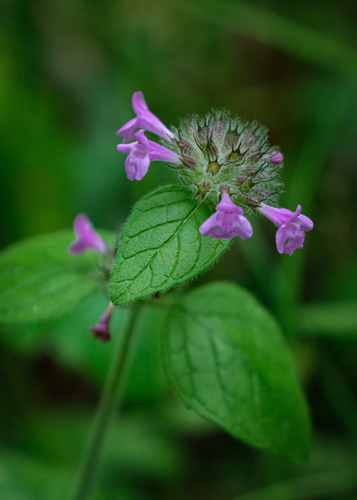
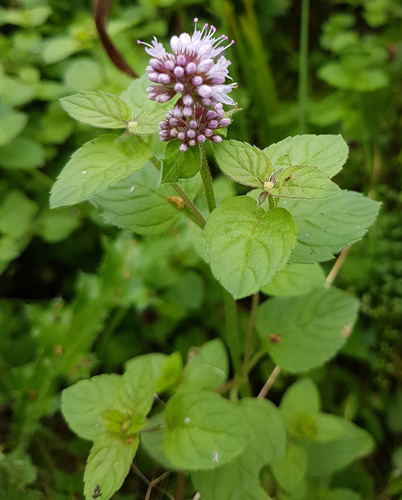
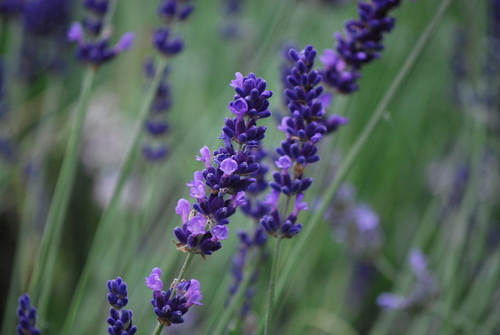
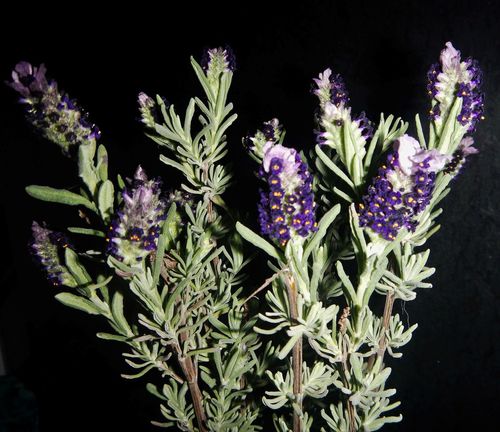
🔬 Botanical Family: Lamiaceae
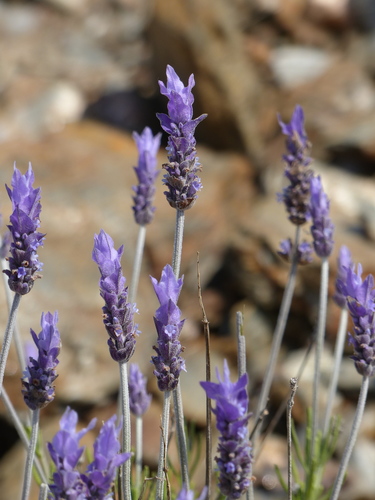
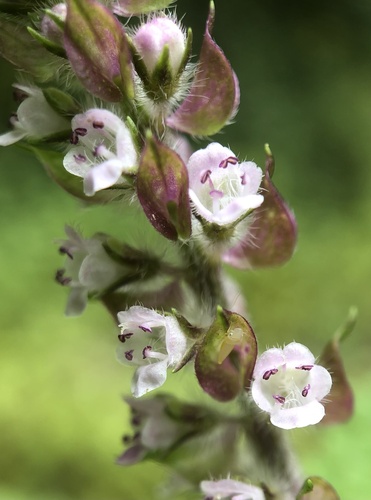
Other plants in this family you might recognize:
Have a plant you can't identify?
The FyTevΦ community and experts can help you identify any plant.
📷 Scan a Plant
👥 Help Identify