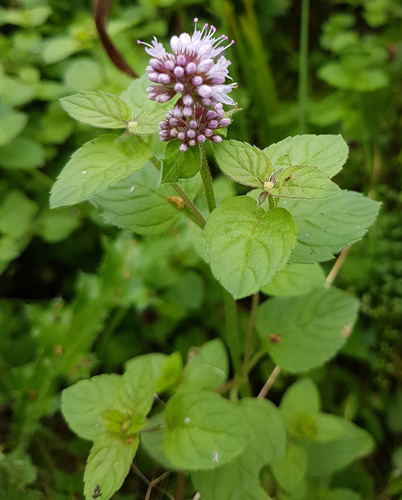
Watermint
📚 Mentha aquatica
Family: Lamiaceae
🍽 Edible 💊 Medicinal ⚠ Invasive Species 🐝 Pollinator 🦌 Deer Resistant
Full sun
Sunlight
Very_high
Water Needs
Fast
Growth Rate
3.00'
Height
USDA zones 5-9
USDA Zones
15
Views
⚠️
This profile is AI-generated and for informational purposes only. Do not consume, handle, or use any plant for medical purposes based on this information alone. Always verify with a qualified expert. Poison Control: 1-800-222-1222. Full Disclaimer →
About
Safety & Benefits
Care & Growing
Harvest
Ecology
Family & Sources
🌿 About
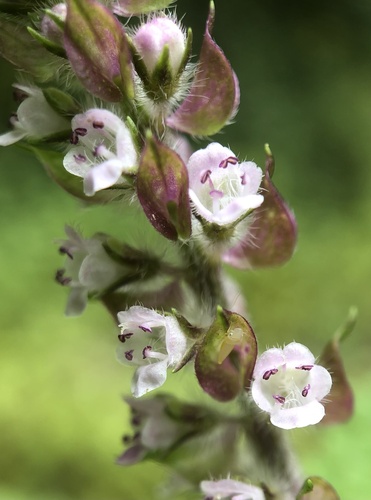
Watermint is a vigorous aquatic perennial with aromatic leaves and lilac flower whorls. It thrives in wet soils and is often found along pond edges and ditches. Its strong minty scent makes it a favorite for teas and culinary use.
📍 Native to: Europe, North Africa, Western Asia
✅ Harmful or Beneficial
✓ Edible Parts ✓ Medicinal Uses 🐝 Good for Pollinators 🦌 Deer Resistant ⚠ Invasive Species ✓ Safe for Humans 🐾 Pet Safe
Attracts pollinators like bees and butterflies, supporting local biodiversity. Its leaves can be harvested for fresh herbal teas and culinary flavoring.
🍽 Edible parts: leaves, stems
⚠️ No emergency treatment required; if large amounts are ingested with severe symptoms, consult a healthcare provider.
🔬 Independent Verification
External links open independent sources for verification. FyTevΦ is not affiliated with these organizations.
🌱 Care & Growing Conditions
🪨 Soil: Moist, rich, loamy or clay soil; tolerates waterlogged conditions.
🌸 Bloom: summer · lilac, pink
Partial shade to full sun; keep soil consistently moist or grow in shallow water; rich, loamy or clay soil; hardy to -20°F (-29°C).
✂️ Propagation
Easily propagated by stem cuttings, division of runners, or seed. Root divisions in spring or autumn are most reliable.
🌾 Harvest Information
Add this plant to your garden to track harvest progress.
Create Free Account to Track Harvest🌍 Ecological Role
Provides nectar for bees and butterflies; stabilizes wet soils along stream banks and marshes.
🤝 Companion plants: Cabbage, tomatoes, peas, carrots
🔬 Botanical Family: Lamiaceae
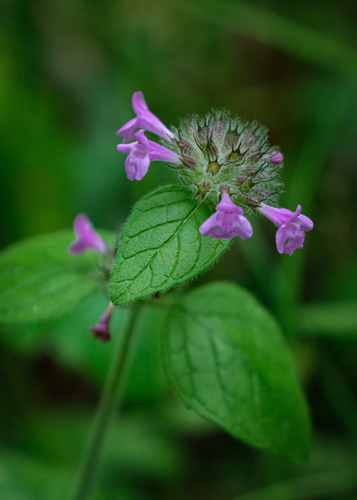
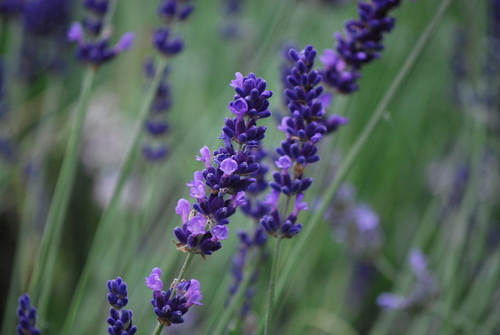
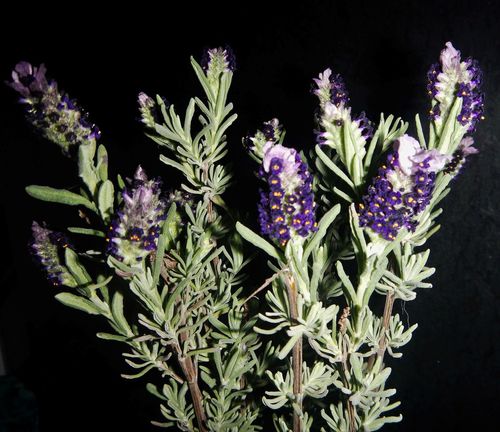
Other plants in this family you might recognize:

Have a plant you can't identify?
The FyTevΦ community and experts can help you identify any plant.
📷 Scan a Plant
👥 Help Identify