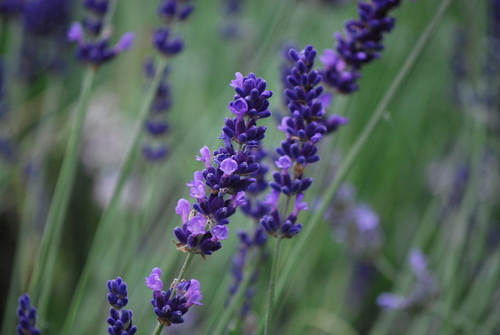
Common Lavender
📚 Lavandula angustifolia
Family: Lamiaceae
🍽 Edible 💊 Medicinal 🐝 Pollinator 🦌 Deer Resistant
Full sun
Sunlight
Low
Water Needs
Moderate
Growth Rate
2.50'
Height
USDA zones 5-9
USDA Zones
18
Views
⚠️
This profile is AI-generated and for informational purposes only. Do not consume, handle, or use any plant for medical purposes based on this information alone. Always verify with a qualified expert. Poison Control: 1-800-222-1222. Full Disclaimer →
About
Safety & Benefits
Care & Growing
Harvest
Ecology
Family & Sources
🌿 About
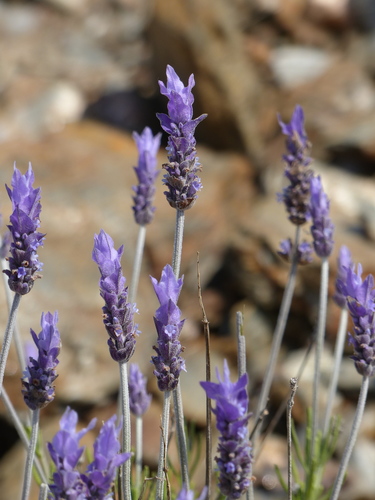
Common lavender is a fragrant, evergreen shrub native to the Mediterranean, prized for its purple flower spikes and calming scent. It has been cultivated for centuries for use in perfumes, sachets, and culinary dishes. Its silvery-green foliage and compact habit make it a popular ornamental in gardens worldwide.
📍 Native to: Mediterranean region, including southern Europe and northern Africa
✅ Harmful or Beneficial
✓ Edible Parts ✓ Medicinal Uses 🐝 Good for Pollinators 🦌 Deer Resistant ☀️ Drought Tolerant ✓ Safe for Humans
Lavender attracts essential pollinators like bees and butterflies, supporting local biodiversity. Its drought tolerance and low maintenance make it ideal for water-wise landscaping, while its aromatic flowers provide natural pest repellence and stress-relieving properties for humans.
🍽 Edible parts: flowers, leaves
⚠️ If large amounts are ingested, especially essential oil, contact a poison control center; for skin or eye irritation, rinse thoroughly with water.
🔬 Independent Verification
External links open independent sources for verification. FyTevΦ is not affiliated with these organizations.
🌱 Care & Growing Conditions
🪨 Soil: Well-drained, sandy or loamy soil with neutral to alkaline pH; tolerates poor, rocky soils.
🌸 Bloom: late spring to summer · purple, violet, blue
Full sun, well-drained soil, water sparingly once established, prefers warm temperatures
✂️ Propagation
Propagate by softwood cuttings in spring or early summer, or by layering; seeds require cold stratification and germinate slowly.
🌾 Harvest Information
Add this plant to your garden to track harvest progress.
Create Free Account to Track Harvest🌍 Ecological Role
Provides nectar for bees, butterflies, and other pollinators; aromatic foliage deters some herbivores.
🤝 Companion plants: rosemary, thyme, sage, echinacea, yarrow
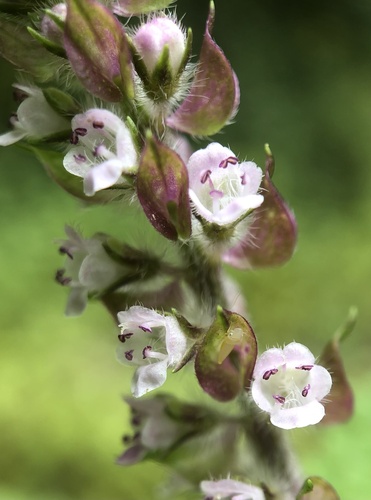
🔬 Botanical Family: Lamiaceae
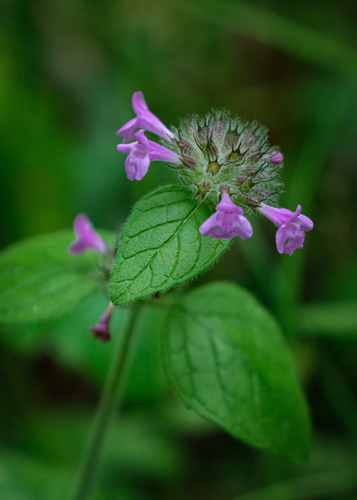
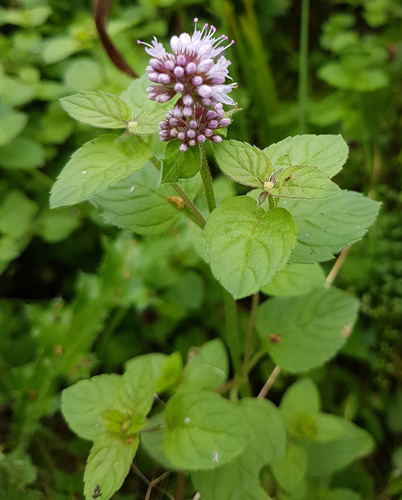
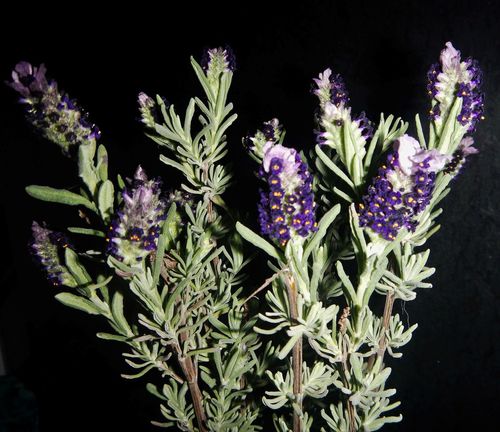
Other plants in this family you might recognize:

Have a plant you can't identify?
The FyTevΦ community and experts can help you identify any plant.
📷 Scan a Plant
👥 Help Identify